

.png)
Dysautonomia - A Modern Clinical Approach to Diagnosis & Rehabilitation
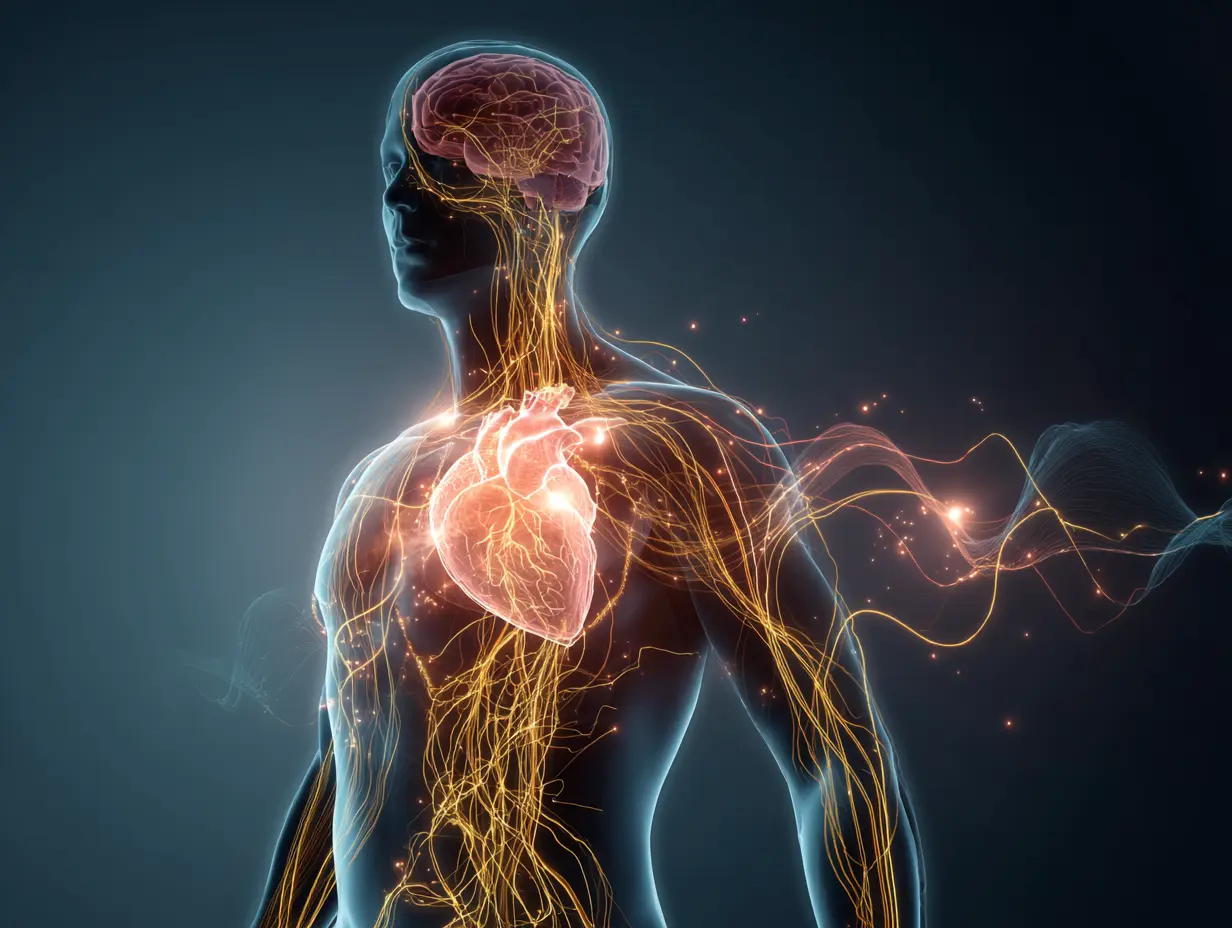
Dysautonomia can evade detection without a structured, systems-based approach. This program trains you to accurately diagnose, interpret, and rehabilitate autonomic disorders using targeted assessments and integrative, patient-centered interventions.
$
$
(
$
<svg xmlns="http://www.w3.org/2000/svg" fill="none" viewBox="0 0 120 120"><path stroke="currentColor" stroke-linecap="round" stroke-width="6" d="M115.6 89.143V30.857c0-6.411-5.231-11.657-11.625-11.657h-88.35C9.231 19.2 4 24.446 4 30.857v58.286C4 95.554 9.231 100.8 15.625 100.8h88.35c6.394 0 11.625-5.246 11.625-11.657ZM53.08 78.48c-3.09 2.066-7.23-.155-7.23-3.88V45.399c0-3.724 4.14-5.945 7.23-3.88L74.92 56.12c2.761 1.846 2.761 5.914 0 7.76L53.08 78.48Z"/></svg>
Course Description
What you’ll learn:
- Recognize and interpret key signs of autonomic dysfunction.
- Perform precise cardiovascular and sensory integration testing.
- Localize central and peripheral drivers of dysautonomia.
- Integrate vestibular and cranial nerve findings into care plans.
- Design targeted, adaptable rehabilitation strategies for autonomic disorders.
More About This Course
Components
Educational Syllabus
- Part 1: Foundations of Autonomic Neuroanatomy
- Build a foundation in autonomic neuroscience with this 25-hour course. Learn ANS structure, function, and integration through brainstem, cranial, and spinal pathways for clinical mastery of dysautonomia.
- Register for the individual module here
- Part 2: Central Regulation and Dysfunction
- Advance your skills in diagnosing and managing dysautonomia. This 25-hour course covers POTS, orthostatic syndromes, small fiber neuropathy, autonomic failure, and neurodegenerative conditions.
- Register for the individual module here
- Part 3: DA2 Diagnostic Foundations and Vascular-Autonomic Intersections
- Explore brain, visual, and vestibular influences on autonomic function in this 25-hour course. Learn cerebral blood flow analysis, pupillometry, vestibulosympathetic testing, and more.
- Register for the individual module here
- Part 4: Biometrics and Reflexes in Autonomic Assessment
- Master HRV, baroreflex, and bedside autonomic testing in this 25-hour course. Learn to evaluate dysautonomia using QASAT, Valsalva, tilt table, pupillary reflexes, and oculomotor assessments.
- Register for the individual module here
- Part 5: Multisystem Interactions and Modulatory Interventions
- Explore metabolic and neurorehabilitation strategies in autonomic care. This 25-hour course teaches exertion training, spinal reflex rehab, and cerebellar-limbic integration for dysautonomia.
- Register for the individual module here
- Part 6: Clinical Application and Integration of Dysautonomia
- Master complex autonomic syndromes in this 15-hour course. Learn to diagnose and treat POTS, small fiber neuropathy, autonomic failure, concussion-related dysautonomia, and more.
- Register for the individual module here
Live Event Info
schedule & location
Date(s):
Schedule:
Event Location:
Time Zone:
Dress Code:
Venue

Venue-Specific Details:
Access Info:
Parking Info:
Phone:
Airport:
Suggested hotels
Also includes
Dysautonomia - A Modern Clinical Approach to Diagnosis & Rehabilitation
Dysautonomia can evade detection without a structured, systems-based approach. This program trains you to accurately diagnose, interpret, and rehabilitate autonomic disorders using targeted assessments and integrative, patient-centered interventions.
$
$
(
$
<svg xmlns="http://www.w3.org/2000/svg" fill="none" viewBox="0 0 120 120"><path stroke="currentColor" stroke-linecap="round" stroke-width="6" d="M115.6 89.143V30.857c0-6.411-5.231-11.657-11.625-11.657h-88.35C9.231 19.2 4 24.446 4 30.857v58.286C4 95.554 9.231 100.8 15.625 100.8h88.35c6.394 0 11.625-5.246 11.625-11.657ZM53.08 78.48c-3.09 2.066-7.23-.155-7.23-3.88V45.399c0-3.724 4.14-5.945 7.23-3.88L74.92 56.12c2.761 1.846 2.761 5.914 0 7.76L53.08 78.48Z"/></svg>
The Carrick Institute team is ready to assist with enrollment, CE approval, or program planning. Email visit our CE Portal or Contact Us directly.